Amersham bulky waste rules from Buckinghamshire Council explained
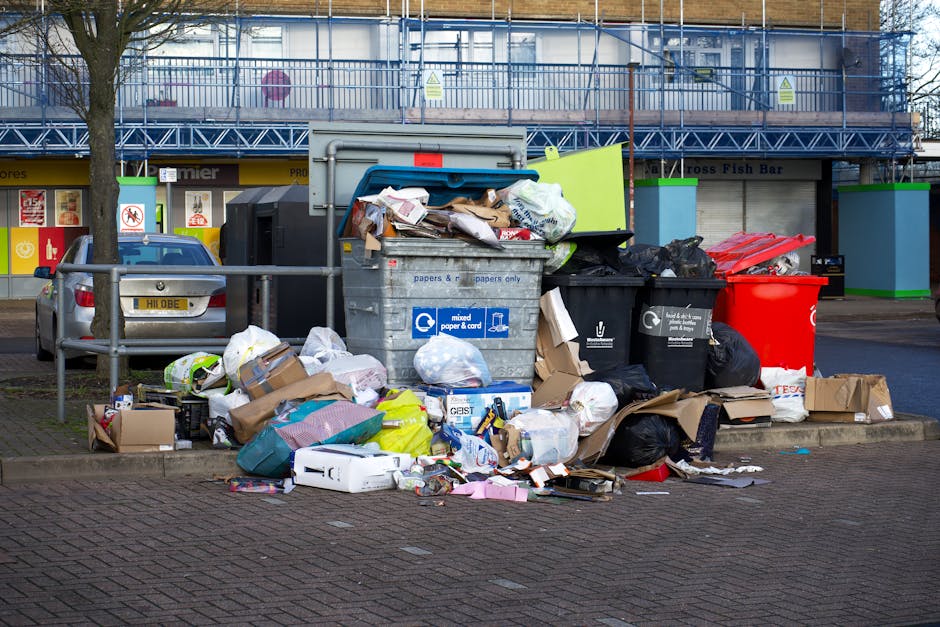
If you live in Amersham and you've got a sofa that will not fit through the hallway, a mattress that's seen better days, or a wardrobe too heavy for one person to shift safely, bulky waste rules can quickly become the thing standing between you and a clear room. This guide has Amersham bulky waste rules from Buckinghamshire Council explained in plain English, with the practical detail people usually need but rarely get in one place. We'll cover what counts as bulky waste, how council collection typically works, what to check before booking, and when a private clearance route may be the simpler option. No drama. Just the useful bits, minus the fluff.
Let's face it, most people only think about bulky waste when a deadline is looming: a move, a renovation, a tenancy change, or a weekend where the garage finally has to be dealt with. That's usually when confusion starts. What is accepted? What needs separating? What if the item is part wood, part fabric, part mystery? This article is here to make that feel manageable.
Why Amersham bulky waste rules from Buckinghamshire Council explained Matters
Bulky waste sounds straightforward until you're standing beside a cracked chest of drawers, an old recliner, and a broken tumble dryer wondering what should happen next. The reason the rules matter is simple: bulky items are not the same as everyday bin waste, and they are often treated differently for collection, sorting, recycling, and safety. Councils set rules to keep collections efficient, protect operatives, and stop items ending up in the wrong stream.
In Amersham, that matters because homes vary a lot. You have compact terraces, flats with narrow stairwells, larger family houses, older properties with tight access, and the occasional driveway where the van ends up parked half on, half off. When bulky waste is not prepared properly, it can cause delays, missed collections, or refusal on the day. Nobody wants that awkward moment when an item gets left behind because it was too heavy, too contaminated, or simply not what the booking covered.
The other reason it matters is cost and time. A well-prepared collection is easier to book, easier to lift, and easier to recycle. A poorly prepared one often means extra handling, more waiting, and more stress. Truth be told, that's where a lot of frustration comes from: the rules are not there to be annoying, they're there to keep the whole process workable.
Expert summary: If you know what the council classifies as bulky waste, prepare items cleanly, and separate anything that needs special handling, you avoid most collection problems before they start.
It also helps if you're comparing council collection with a private service. For some households, the council route is the most sensible choice. For others, especially when there are multiple rooms to clear, mixed waste, or awkward access, a broader waste removal or property-specific service may be more practical. That does not mean one option is better in every situation. It means the job and the method need to match.
How Amersham bulky waste rules from Buckinghamshire Council explained Works
The general idea is that bulky waste collection is for larger household items that will not fit in normal bins. Think furniture, white goods, and similar household goods. The exact booking rules, item limits, and accepted materials can change, so the safest approach is always to check the council's current guidance before you book. That sounds obvious, but people skip it all the time and then wonder why the collection did not go to plan. Been there, seen that.
Typically, the process works like this: you identify the items, make sure they are eligible, book a collection if available, place the items in the correct location by the agreed time, and ensure they are accessible for collection crews. Usually the simpler and cleaner the presentation, the smoother the pickup. Items may need to be separated if they contain hazardous components, electrical parts, gas cylinders, liquids, or anything that cannot be safely handled as a standard bulky item.
A practical example helps. If you have a wardrobe, a bed frame, and a sofa, those are the kind of items most people think about first. But if one of them still has bedding, mirrors, metal fixings, or internal drawers full of bits and pieces, you have already added a layer of work. You'd be surprised how often collections are slowed down by the little extras rather than the big object itself.
For households dealing with just one or two awkward items, council collection is often enough. If the project is bigger, such as a loft clear-out, a garage full of mixed household clutter, or an end-of-tenancy reset, a more rounded service like loft clearance or garage clearance may save time and multiple booking steps.
What usually counts as bulky waste
- Sofas, armchairs, and recliners
- Beds, mattresses, headboards, and bed frames
- Wardrobes, chests of drawers, tables, and chairs
- Large electrical items that the council accepts through a bulky collection route
- Other household items that are too large for normal waste bins
What commonly needs extra checking
- Items with electrical plugs, batteries, or refrigerants
- Furniture with embedded glass or mirrors
- Broken items with sharp edges
- Anything contaminated with liquids, chemicals, or bodily fluids
- Mixed loads that include builders' debris or garden waste
If your items are mainly furniture, a dedicated furniture clearance or furniture disposal option can sometimes fit better than a general bulky waste booking, especially when a room contains several pieces rather than one item.
Key Benefits and Practical Advantages
The most obvious benefit is convenience. A proper bulky waste collection saves you from hiring a van, begging a neighbour with a trailer, or trying to wedge a mattress into the back of a car at an angle that definitely feels optimistic. But there are other benefits too, and they matter.
- Less physical strain: Bulky items are awkward, and awkward is where injuries happen.
- Better recycling outcomes: When items are sorted correctly, more material can be reused or recycled.
- Cleaner handover: For landlords, sellers, or tenants, a tidy clear-out can make the whole property feel ready.
- Fewer delays: Correctly prepared items are easier to collect and process.
- Lower stress: A clear plan beats a last-minute scramble every time.
There's also a practical business benefit for local offices, shops, and landlords. If you are clearing a workspace or preparing a rented property between occupiers, a fast and organised approach matters. In those situations, council bulky waste rules may help with a small portion of the job, but broader help such as office clearance or flat clearance can be much more efficient.
Another advantage people overlook is certainty. If you plan properly, you know what is going, what is staying, and what needs special handling. That sounds basic, but it makes a huge difference when the day arrives and the room is half empty, the kettle's boiled twice, and you are trying to remember which chair was meant to go. Small detail, big impact.
Who This Is For and When It Makes Sense
This guide is for anyone in Amersham who has a large item, a pile of large items, or a growing pile of "I'll deal with that later" sitting in a hallway, spare room, garage, or garden. It is especially useful if you are:
- Moving house and need to reduce what you take with you
- Replacing old furniture or a mattress
- Clearing a property after a tenancy ends
- Emptying a loft, garage, or shed
- Handling a home renovation or spring clean
- Managing bulky waste from a business premises or office
It also makes sense if you want to avoid the false economy of trying to do everything yourself. Sometimes people spend half a Saturday hiring equipment, borrowing straps, and making multiple trips to a disposal point only to realise they could have dealt with the job more efficiently through a single organised collection. That happens more than you'd think.
If you're working through a whole property rather than one item, a broader domestic service like home clearance or full house clearance may be the better fit. And if the job is commercial rather than domestic, business waste removal is worth considering.
Step-by-Step Guidance
If you want a smooth experience, do the job in the same order every time. A bit dull maybe, but reliable. Here's a practical way to approach it.
- List the items. Write down every bulky item you want removed. Be specific. "Old sofa" is good; "two-seater sofa with broken leg and removable cushions" is better.
- Check what can be collected. Review the council's current bulky waste guidance and separate anything that might need special treatment.
- Measure access. Note narrow halls, steps, gates, steep paths, or parking restrictions. In older Amersham properties, access is often the hidden issue.
- Prepare the items. Remove loose contents, detach unsafe parts where sensible, and keep items as clean as possible.
- Group the load logically. Put matching items together and avoid mixing bulky waste with builders' rubble or garden debris.
- Book or arrange the collection. Follow the council process carefully and keep the booking reference or confirmation details handy.
- Place items correctly. Put them where the instructions say, not just where seems convenient at the time.
- Keep the route clear. Crews need safe, unobstructed access. A couple of bikes, bins, or plant pots can make a surprising difference.
- Double-check on the day. If there is rain, poor light, or a change in access, make adjustments early.
One practical observation: if the job involves more than a few items, take photos first. It sounds obvious, but when you're in the middle of sorting out a room, memory gets fuzzy. Photos help you stay organised and avoid the classic "was that chair going too?" moment.
If the load includes mixed materials or something more substantial, like leftover renovation material, a dedicated route such as builders waste clearance may be more appropriate than standard bulky waste collection.
Expert Tips for Better Results
Small changes make bulky waste collections much easier. Here are the habits that tend to save the most hassle.
- Strip items down where safe. A bed frame separated from the mattress and headboard is easier to handle.
- Keep screws and fittings in a bag. If you're reusing the furniture later or dismantling pieces for disposal, bagging fixings stops them disappearing.
- Don't overfill the collection point. Piling items in a tight heap can slow the crew down and make lifting awkward.
- Prioritise safe lifting. If an item needs two people, it needs two people. There's no medal for trying to be a hero.
- Check weather and timing. Wet carpets, slippery paths, and dark mornings are not ideal.
- Keep hazardous items separate. Paints, solvents, gas canisters, and batteries usually need a different approach.
There's also a subtle but important one: think about reuse before disposal. A usable chair, table, or chest of drawers may have a second life through family, community use, or a specialist reuse route. If the item is no longer fit for that, fair enough, but it is worth asking the question before the van arrives.
For furniture-heavy clearances, a dedicated route such as furniture clearance often keeps the process much tidier than mixing furniture with general rubbish. If you are focused on sustainability, you may also want to look at how the service handles recovery and sorting through recycling and sustainability.
Common Mistakes to Avoid
Most bulky waste problems come from a handful of avoidable mistakes. The good news? They are easy enough to spot once you know what to look for.
- Not checking the current rules. People assume last year's guidance still applies. Sometimes it does, sometimes it does not.
- Mixing bulky waste with restricted items. One contaminated item can complicate the whole collection.
- Leaving items inaccessible. A gate locked, a car in the way, or a pile blocking the path can derail the pickup.
- Forgetting to measure oversized furniture. Big wardrobes and sofas can be harder to remove than expected.
- Booking too late. If you are on a move-out deadline, last-minute arrangements create unnecessary pressure.
- Assuming everything belongs in one collection. Garden clippings, builders' rubble, and bulky household items are not the same thing.
Another common issue is underestimating how much there is. A single room can produce more waste than it first appears. You pull a wardrobe out, then the broken lamp, then the sagging chair, then the pile of bits behind the radiator, and suddenly it is not a "quick job" anymore. That's just how it goes sometimes.
Tools, Resources and Recommendations
You do not need fancy equipment, but a few basic tools make the process easier and safer.
- Measuring tape: Useful for checking doors, stairs, and furniture dimensions.
- Gloves: Handy for protection when handling rough edges or dusty items.
- Strong bin bags or rubble sacks: Good for loose contents and smaller associated waste.
- Labels or sticky notes: Simple way to mark what is going and what stays.
- Screwdriver set or Allen keys: Helpful if items need dismantling.
- Phone camera: Handy for recording the load before and after sorting.
If you want a more comprehensive approach, especially for larger homes or properties with multiple waste streams, it can help to combine bulky waste preparation with broader clearance planning. That is where house clearance, loft clearance, or even garden clearance can fit into the same project. It depends on the mix of items, not just the volume.
If you are comparing service levels, it may also help to review practical details like pricing and quotes, plus operational confidence through insurance and safety and the company's health and safety policy. That's the boring bit, admittedly, but it matters when heavy lifting is involved.
Law, Compliance, Standards, or Best Practice
Bulky waste sits inside a wider set of waste-handling expectations in the UK. You do not need to become a compliance expert to dispose of a sofa, but it helps to understand the principles behind the process. Household waste should be presented in line with the collection rules, while anything hazardous, electrical, or contaminated may need separate handling. That is standard good practice across council and private services alike.
For residents, the key points are simple:
- Use the service for the item type it is designed for
- Do not include prohibited or unsafe materials in the load
- Keep items accessible and presented as requested
- Follow any separation instructions for electrical or mixed-material items
If you use a private clearance company instead of council collection, a reputable provider should be able to explain how items are sorted, transported, and handled safely. It is fair to ask those questions. In fact, you should ask them. Waste transfer, reuse, and responsible disposal are not details to brush past.
For businesses and landlords, the compliance bar is a little higher because duty-of-care expectations are broader. That's where clear documentation, responsible handling, and an experienced service matter. If you are dealing with regular premises or a larger operational load, business waste removal is often more aligned with the job than ad hoc disposal.
Options, Methods, or Comparison Table
Choosing the right route depends on scale, access, timing, and the type of waste. Here is a simple comparison to help you decide.
| Option | Best for | Strengths | Limitations |
|---|---|---|---|
| Council bulky waste collection | One-off household items and smaller volumes | Usually straightforward for eligible items, familiar process | May have item restrictions, booking limits, or longer waits |
| Private bulky item removal | Faster or more flexible removal needs | Often more adaptable for access, timing, and mixed loads | Costs vary and service quality must be checked carefully |
| Full property clearance | Multiple rooms, estates, tenancy changes, or major declutters | Efficient for larger jobs, less back-and-forth | More than you need for a single item |
| Specialist furniture or room clearance | Furniture-heavy spaces or partial clear-outs | Good fit for sofas, beds, wardrobes, or room-by-room work | Less suitable for mixed waste with builders' or garden material |
For many people, the decision is less about "what is cheapest?" and more about "what gets this done cleanly with the least hassle?" That is often the real question. If you are dealing with a single mattress, council collection may be perfect. If you are clearing a whole flat before a tenancy inspection, a broader solution can be the calmer choice. Calm is underrated.
Case Study or Real-World Example
A typical Amersham scenario goes like this. A family is preparing to sell a semi-detached house and finds the spare room packed with a broken desk, an old sofa bed, two office chairs, a wardrobe missing one door, and a box of odds and ends that has somehow been "temporary" for about three years. The first instinct is to treat it all as one quick bulky waste job.
Once they start sorting, the picture changes. The sofa bed is bulky waste. The wardrobe can be cleared as furniture if it is empty and safe to move. The box contains mixed household junk. The desk is fine, but the loose cables need bagging. There is also a small pile of broken shelving from the garage that is better handled separately.
By splitting the load into categories before arranging removal, they avoid rejected items and make the whole process quicker. The room looks better the same day, not after three separate attempts. That's the difference a bit of planning makes. Nothing glamorous, just effective.
In this kind of situation, a combined approach often works best: bulky waste rules for the council-eligible items, and a wider service such as home clearance for the rest. Not every job needs one route only.
Practical Checklist
Use this before booking or arranging collection.
- Have I checked the latest council guidance for bulky waste?
- Are all the items eligible for the route I want to use?
- Have I removed personal belongings, food, liquids, and loose contents?
- Have I separated electrical, hazardous, or special items?
- Can the items be safely moved without blocking access?
- Do I know the exact place the items need to be left?
- Have I measured doors, stairs, and any awkward access points?
- Do I need help with dismantling or lifting?
- Would furniture clearance, loft clearance, garage clearance, or house clearance be a better fit?
- Have I kept any booking confirmation or reference details?
If you can tick most of those off, you are in a good place. If not, pause for ten minutes and sort it out now. It saves far more time than rushing later.
Conclusion
Bulky waste rules can look fussy at first, but once you break them down, they are mostly about safety, access, and getting the right item to the right place in the right way. That is really the heart of Amersham bulky waste rules from Buckinghamshire Council explained. Know what counts, prepare it properly, and match the disposal route to the job in front of you.
For a single sofa or mattress, the council route may be all you need. For a fuller clear-out, a more flexible service often removes the stress that comes with multiple loads, awkward access, and mixed materials. Either way, the key is to plan before the pile becomes a problem. A little effort now usually saves a lot of hassle later, and that's the honest truth.
Get a free quote today and see how much you can save.
If you want to understand the company behind the service before deciding, you can also read more on the about us page, or review the practical details on terms and conditions and payment and security. If something still feels unclear, it is always better to ask early than to guess.
Frequently Asked Questions
What counts as bulky waste in Amersham?
Bulky waste usually means large household items that do not fit in normal bins, such as sofas, beds, wardrobes, tables, and some large appliances. Exact acceptance depends on the current council guidance, so always check before booking.
Can I put a mattress out for bulky waste collection?
In many cases, mattresses are treated as bulky household waste, but they may need specific preparation or booking rules. Keep it clean, dry, and free from extra items before collection.
Do I need to dismantle furniture before collection?
Not always, but dismantling can make removal safer and easier. If an item is very large or awkward, breaking it down into manageable parts is usually a good idea where safe to do so.
Will the council take electrical items with bulky waste?
Sometimes, but electrical items often have separate handling rules. Do not assume a plug-in item can be added to a standard bulky load without checking first.
What should I do with broken items that have sharp edges?
Make them safe where possible, then follow the council or service instructions for presentation. If the item cannot be made safe, ask for guidance rather than leaving it exposed.
Can bulky waste include garden or builders' waste?
Usually not as part of a standard household bulky collection. Garden waste and builders' debris often need separate disposal routes such as garden clearance or builders waste clearance.
What happens if I leave items in the wrong place?
Collections can be delayed or missed if the items are inaccessible, unsafe to collect, or not placed according to instructions. A small access issue can become a big problem, annoyingly.
Is council bulky waste collection better than private removal?
It depends on the job. Council collection can be ideal for a few eligible items. Private removal may be better for quicker turnaround, larger quantities, or awkward access. Compare the practical fit, not just the price.
How do I know if I need a full clearance service instead?
If you are clearing several rooms, a loft, a garage, or a whole property, a broader service is often more efficient than trying to book separate bulky collections. Services like flat clearance or house clearance can be a better match.
Can businesses use bulky waste collection rules?
Businesses usually need a service designed for commercial waste rather than household bulky waste. If the items come from an office or workplace, business waste removal is often the more suitable route.
What if I am not sure whether an item is accepted?
Check the current guidance before you book, and if you are still unsure, ask for clarification. It is much easier to confirm the item first than to deal with a refused collection later.
How can I make bulky waste collection easier on the day?
Remove loose contents, keep access clear, separate restricted items, and place everything where it can be collected safely. A little preparation goes a long way, honestly.